
food · education · heart ·
Cocoa Lowered Blood Pressure Across 35 Trials. The Honest Number Is About 2 Points
A Cochrane review pooled 1,804 people and found a real but small effect. Who you are at the start changes it, and so does who funded the trial.
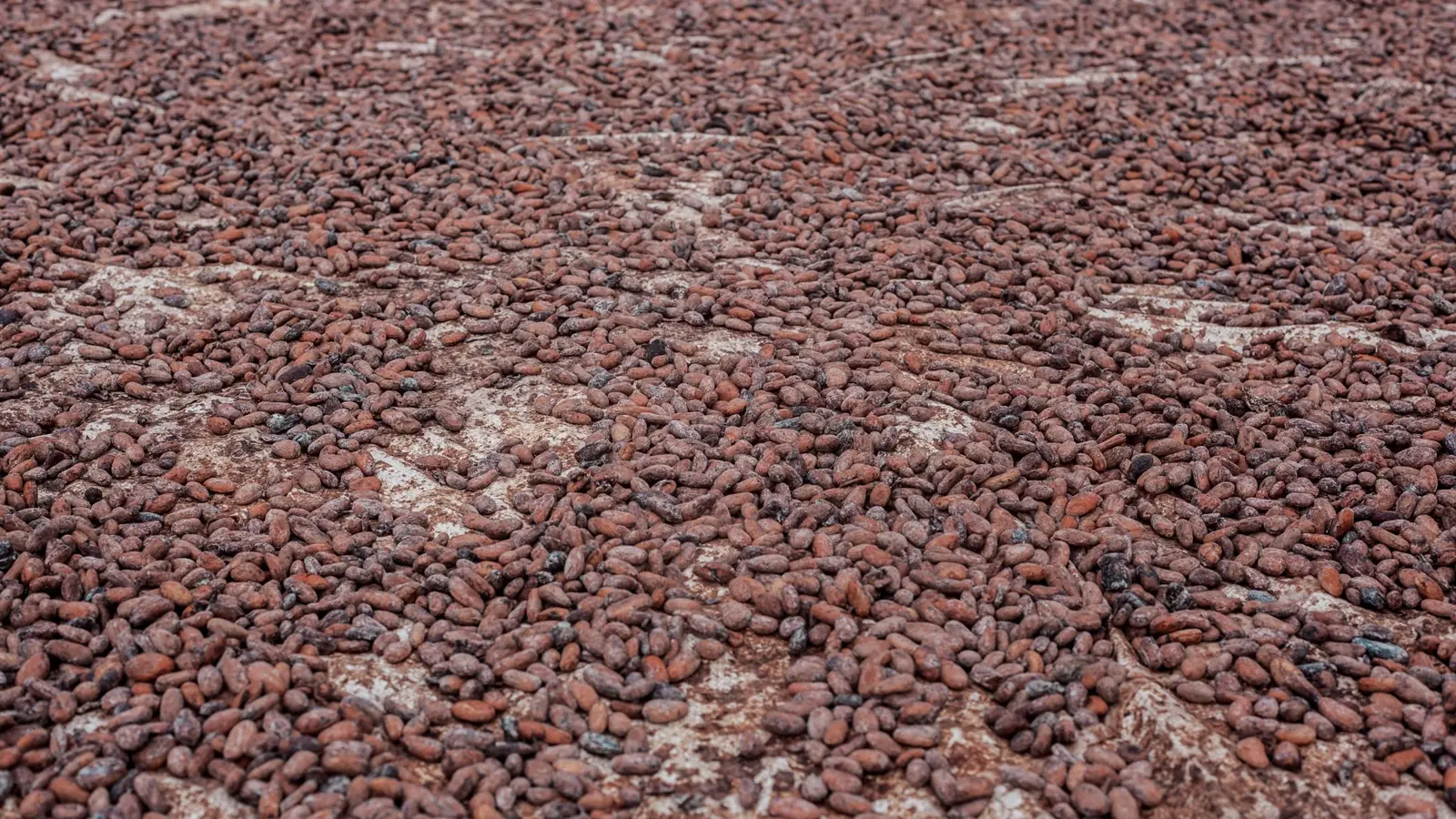
Cocoa is one of the few things in the wellness aisle with a Cochrane review behind it, which means somebody has already done the unglamorous work of pooling every trial and grading the result. The answer is yes, it does something, and the size of that something is the part worth knowing before anybody rearranges their shopping.
What the pooling found
Thirty-five trials, covering 40 treatment comparisons and 1,804 mainly healthy adults, running from two to eighteen weeks with a mean of nine (Ried, Fakler and Stocks, Cochrane Database of Systematic Reviews, 2017). The trials gave participants 30 to 1,218 mg of flavanols a day, averaging 670 mg, delivered in anything from 1.4 to 105 grams of cocoa product.
Against control, flavanol-rich cocoa lowered systolic blood pressure by 1.76 mmHg (95% CI -3.09 to -0.43, P = 0.009) and diastolic by the same 1.76 mmHg (95% CI -2.57 to -0.94, P < 0.001). The reviewers call that a small but statistically significant effect, and they downgraded the quality of the evidence from high to moderate because of heterogeneity they could not explain.
Two points of blood pressure is not nothing across a population, and it is also not what most people picture when they read that chocolate is good for the heart.
Who you are at the start changes the answer
The subgroup analysis is where it gets more useful, and it follows the same shape as almost every blood pressure intervention we have covered.
Systolic pressure fell by about 4 mmHg in the hypertensive comparisons (9 comparisons, 401 participants) and tended lower in the prehypertensive ones (8 comparisons, 340 participants). In people whose blood pressure was already normal, across 23 comparisons and 1,063 participants, there was no significant difference at all.
The reviewers are careful here in a way worth copying: the test for subgroup differences was of borderline significance, so they flag it as requiring further research rather than treating it as settled. The direction matches what garlic, beetroot and hibiscus all did in their own pooled analyses, which is that these plant interventions move a number that is high and largely leave a normal one alone.
The part the chocolate industry would rather you skipped
Cochrane reviewers run sensitivity analyses, and this one is worth reading twice.
Sensitivity analysis excluding trials with authors employed by trials sponsoring industry revealed a small reduction in effect size, indicating some reporting bias.
Ried, Fakler and Stocks, Cochrane Database of Systematic Reviews, 2017
Thirty-three of the trials, covering 1,482 participants, were affected by that analysis. Take the industry-employed authors out and the benefit shrinks. It does not vanish, and the effect survives, but the headline number you see quoted is the one that includes them.
The same review found a non-significant trend toward larger reductions in unblinded trials than in double-blinded ones, which points the same direction: expectation does some of this work. We apply that standard to statin trials and to supplement trials, and it would be dishonest to drop it for a food we happen to like.
What about actual heart attacks
A pooled 2 mmHg over nine weeks is a marker moving, not a life changing. The trial built to answer the real question is COSMOS, which randomised 21,442 US adults, women 65 and over and men 60 and over, to cocoa extract or placebo in a two-by-two factorial design alongside a multivitamin (Rist et al., Contemporary Clinical Trials, 2022). The cocoa supplement delivered 500 mg of flavanols a day including 80 mg of epicatechin, and total cardiovascular disease was its primary outcome.
We are naming the trial and not its result, because we have verified the design paper and not the outcome paper. Worth noting from that design paper: one of the listed authors is affiliated with Mars Inc. Again, that does not make the trial wrong. It belongs on the table alongside the Cochrane finding about industry authorship.
What we are and are not saying
| Claim | Our line |
|---|---|
| Cocoa treats, cures or prevents hypertension | Never |
| Flavanol-rich cocoa lowered blood pressure in pooled trials | Yes, by about 2 mmHg, on moderate-quality evidence |
| It works regardless of your starting pressure | No. No significant effect in normotensive comparisons |
| The effect in hypertensive people was larger | Yes, about 4 mmHg, on a borderline subgroup test |
| The research is independent | Partly. Removing industry-employed authors shrank the effect |
| A chocolate bar delivers the studied dose | No. The trials used measured flavanols, averaging 670 mg a day |
| We know it prevents heart attacks | Not from this. That trial exists and we have not verified its results |
Where this sits next to the other plants
For comparison, pooled trials of hibiscus found a systolic reduction of 7.58 mmHg, which is a good deal larger than cocoa’s (Serban et al., Journal of Hypertension, 2015), and we covered both the number and its caveats in hibiscus tea and blood pressure.
That is the useful frame. Cocoa is not the strongest plant lever available for blood pressure, it is one of several modest ones, and stacking a modest effect onto a plate that is already wrong is not a plan.
Where the design shows up
The flavanols in cocoa appear to work by increasing nitric oxide in the lining of the blood vessel, which tells the vessel to relax and widen. That is the same final pathway as the nitrate in beetroot and the same lining we wrote about with walnuts.
Three entirely unrelated plants, a bean, a root and a nut, arriving at the same switch from different directions. Which is a reasonable argument for eating a variety of them rather than isolating the one with the best marketing, because the body seems to have built one door and left several keys lying around.
“He causes the grass to grow for the cattle, and vegetation for the labor of man, so that he may produce food from the earth.” Psalm 104:14, NASB
The verse carries the conviction. One thousand eight hundred and four participants carry the number.
What to do this week
If your blood pressure is normal, this evidence does not promise you anything, and that is worth knowing before you start buying anything on the strength of it.
If your blood pressure is high, cocoa is a reasonable small addition to a plate that is already doing the heavy lifting, and the honest expectation is a couple of points rather than a transformation. Unsweetened cocoa powder stirred into something is the cheapest way to get flavanols without the sugar that comes attached to most chocolate, and the sugar is the part that works against you.
What it is not is a substitute for the levers with bigger numbers behind them: the salt, the weight, the walking and the potassium on the plate.
Read this next: the plant with the largest pooled blood pressure effect we have covered: hibiscus tea and blood pressure. The mineral version of the same job: higher potassium intake tracked with 24% lower stroke risk. And the same vessel lining, reached by a different food: nuts improved artery function in pooled trials.
Sources
- Ried K, Fakler P, Stocks NP. “Effect of cocoa on blood pressure.” Cochrane Database of Systematic Reviews, 2017;4(4):CD008893. https://pubmed.ncbi.nlm.nih.gov/28439881/
- Rist PM, Sesso HD, Johnson LG, et al. “Design and baseline characteristics of participants in the COcoa Supplement and Multivitamin Outcomes Study (COSMOS).” Contemporary Clinical Trials, 2022;116:106728. https://pubmed.ncbi.nlm.nih.gov/35288332/
- Serban C, Sahebkar A, Ursoniu S, Andrica F, Banach M. “Effect of sour tea (Hibiscus sabdariffa L.) on arterial hypertension: a systematic review and meta-analysis of randomized controlled trials.” Journal of Hypertension, 2015;33(6):1119-1127. https://pubmed.ncbi.nlm.nih.gov/25875025/
Article metadata retrieved from PubMed. Photograph from Pexels. Scripture quoted from the New American Standard Bible.
Educational content from True Health Solutions. We do not diagnose or prescribe, and nothing here is a substitute for care from someone who knows your history. The body heals. We write about what supports that design.
Questions people ask
- How much does cocoa lower blood pressure?
- A Cochrane review of 35 trials in 1,804 mainly healthy adults found flavanol-rich cocoa lowered systolic and diastolic blood pressure by about 1.76 mmHg each over two to eighteen weeks. The reviewers describe it as a small but statistically significant effect, and they rate the evidence as moderate quality.
- Does it depend on my starting blood pressure?
- It appears to. Systolic pressure fell about 4 mmHg in the hypertensive comparisons, tended lower in prehypertensive ones, and showed no significant difference in people whose blood pressure was already normal. The test for that subgroup difference was borderline, so it needs confirming.
- Is eating a chocolate bar the same thing?
- No. The trials delivered 30 to 1,218 mg of flavanols a day, averaging 670 mg, in anything from 1.4 to 105 grams of cocoa product. That is a measured flavanol dose, and a bar of chocolate is not a controlled delivery of it.
- Was the research independent?
- Not entirely, and the reviewers checked. Excluding trials whose authors were employed by the sponsoring industry reduced the effect size, which the Cochrane authors describe as indicating some reporting bias.
- Is there a trial on actual heart outcomes?
- There is a large one. COSMOS randomised 21,442 older US adults to cocoa extract or placebo with total cardiovascular disease as the primary outcome. We have not verified its published results here, so we are not reporting them.
