
education · food · heart ·
The Real Reason Beets Help Your Blood Pressure (It's Not What You've Heard)
Beetroot juice lowers blood pressure in 22 randomized trials. Then researchers used nitrate-free beetroot as the placebo, and the effect shrank.
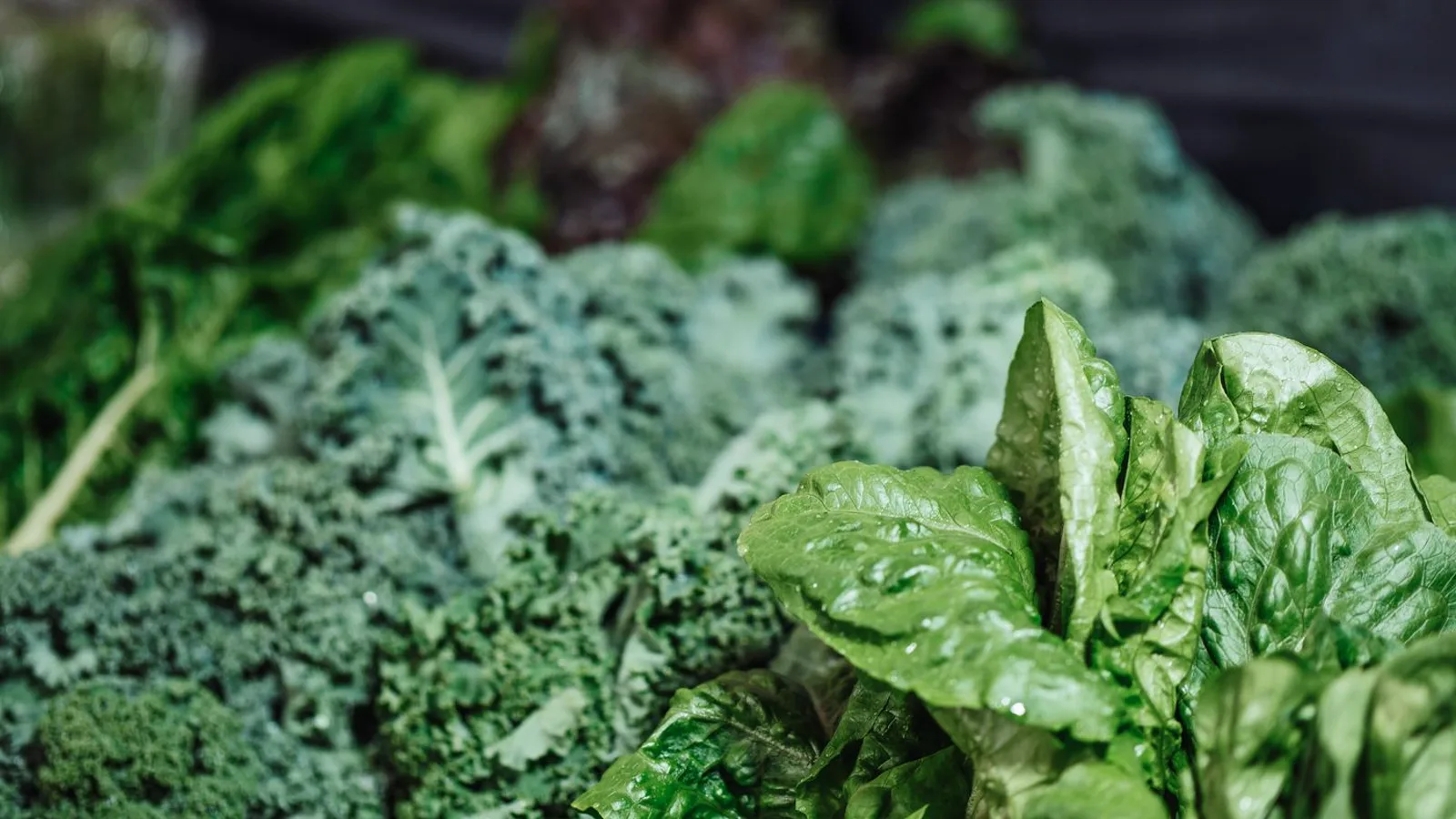
The story you have heard goes like this. Dark leafy greens and beets are high in inorganic nitrate. Your body converts nitrate to nitrite and then to nitric oxide. Nitric oxide relaxes blood vessels. Therefore: eat your greens, lower your blood pressure.
Every step of that is real. And when researchers pooled the trials, the effect was there.
Then they looked at what happens when you control the experiment properly, and the story got more interesting.
What 22 trials found
Researchers pooled 22 randomized clinical trials of beetroot juice published between 2009 and 2017, covering 47 intervention groups with 650 people and 43 control groups with 598 (Bahadoran et al., Advances in Nutrition, 2017).
Systolic blood pressure was 3.55 mmHg lower in the beetroot groups, with a confidence interval of 4.55 to 2.54. Diastolic fell 1.32 mmHg.
Two things predicted a bigger effect, and both are practical.
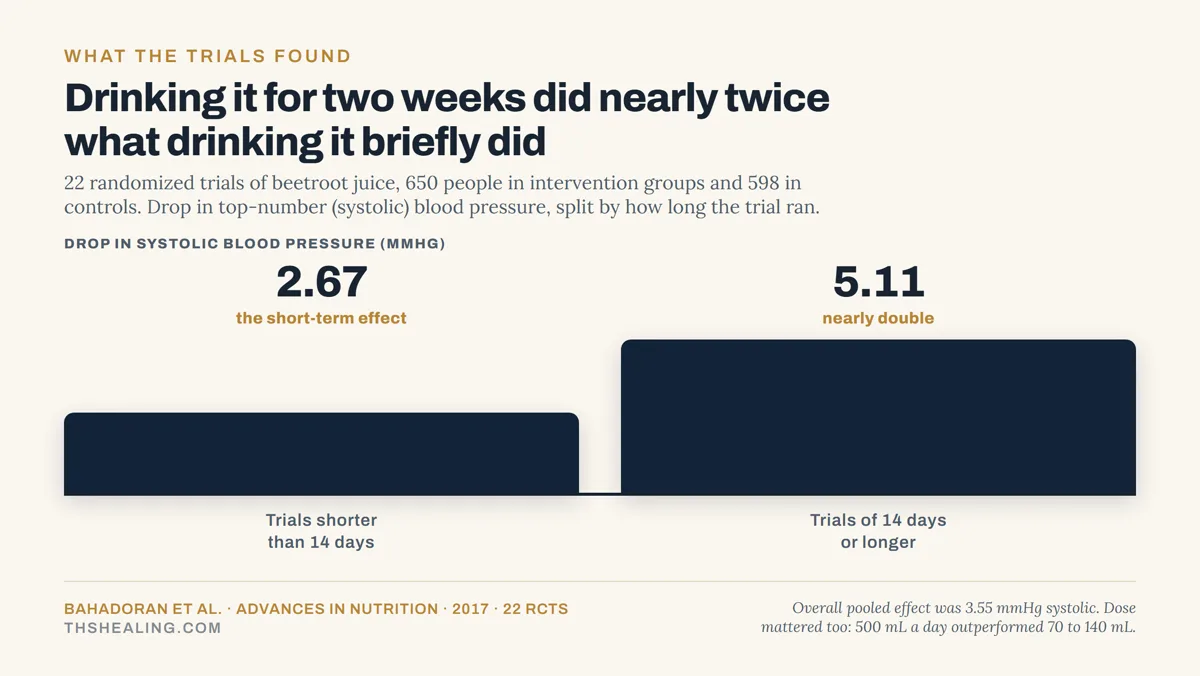
Trials lasting 14 days or more found nearly double the effect of shorter ones: 5.11 against 2.67 mmHg. And higher doses beat lower ones, 500 mL a day against 70 or 140 mL, at 4.78 against 2.37 mmHg. Dose and duration both correlated positively with effect.
That is the useful, actionable half. Now the half that made us rewrite this article.
The placebo problem
Here is a question worth asking about any beetroot trial: what did the control group drink?
If you give one group beetroot juice and the other group water or a coloured drink, you have not isolated the nitrate. You have tested beetroot juice against not-beetroot-juice, and beetroot contains a great deal besides nitrate: betalain pigments, polyphenols, potassium, fibre.
Some trials did it properly. They used nitrate-depleted beetroot juice as the placebo, so both groups drank beetroot and only the nitrate differed.
In those trials, the effect was smaller. Systolic fell 3.09 mmHg with the nitrate-depleted placebo, against 4.51 mmHg when compared with other kinds of control. Diastolic showed the same pattern, 0.81 against 2.01.
The authors’ own conclusion, and the title of their paper, is that beetroot juice has nitrate-independent blood pressure lowering effects.
There was a second oddity pointing the same way. You would expect juice with more nitrate per 100 mL to work better. They found the opposite: a smaller effect with higher nitrate concentration.
What we take from that
Not that nitrate does nothing. The pathway is well established, the effect did not vanish when properly controlled, and it is still there at 3.09 mmHg.
What it means is that the popular mechanism is doing less of the work than the popular story claims, and something else in the beetroot is doing some of it. Nobody has isolated what.
We find this more encouraging than deflating, and here is why. A supplement industry exists to sell you the isolated compound. Nitrate salts, beet powders standardised to nitrate content, concentrated shots. The finding here is that the isolated compound is not where all the benefit sits.
It is the same shape as the polyphenol trials, where whole foods dropped blood pressure 3.69 mmHg and purified extracts of the same compounds did nothing at all. Take the thing apart, lose something you did not know you were carrying.
Where do leafy greens fit?
This is the honest gap in the article you are reading.
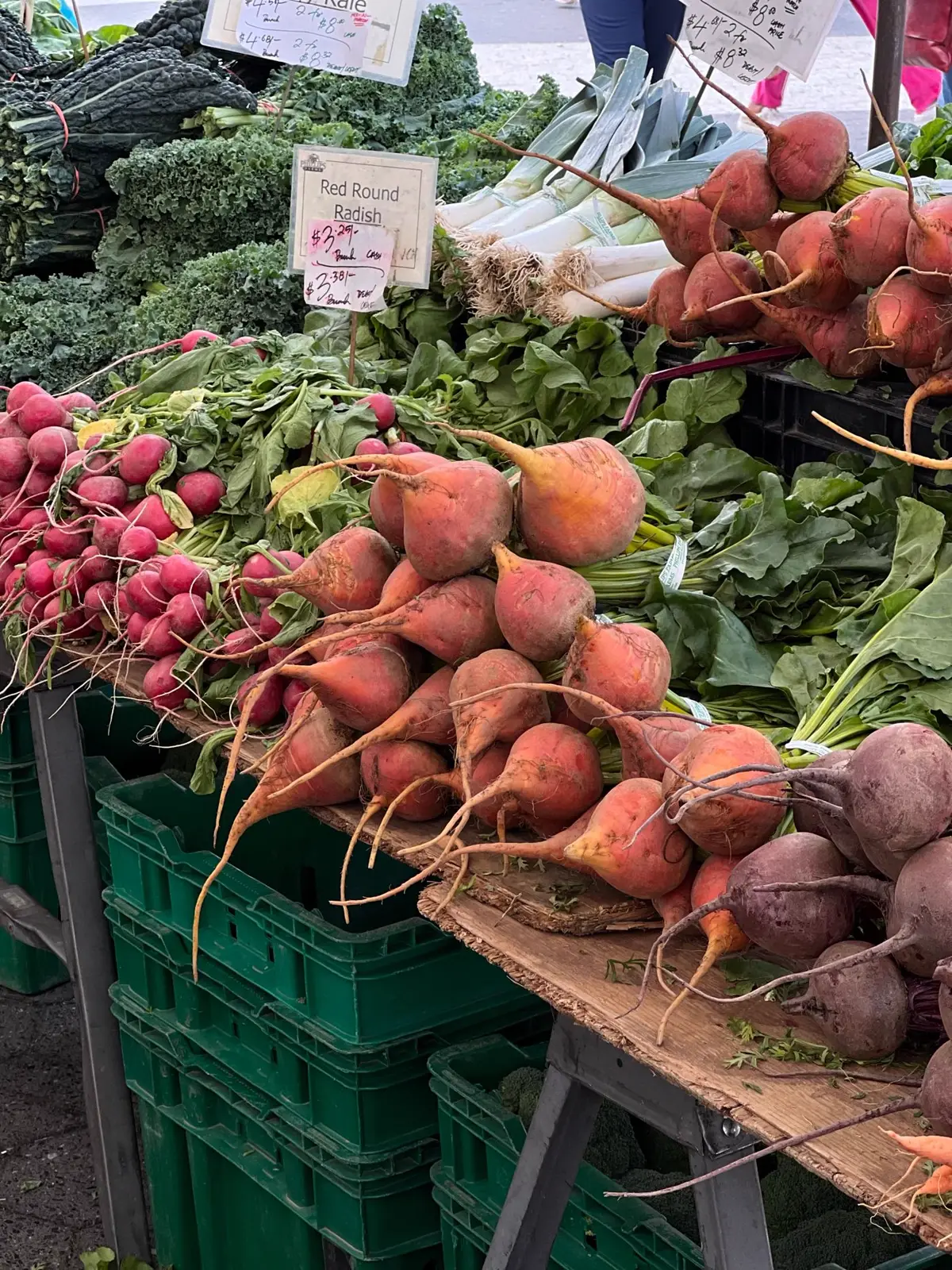
Almost all of these trials used beetroot juice, because it is easy to standardise, easy to dose, and possible to make a credible nitrate-free placebo from. Leafy greens are the other major dietary source of inorganic nitrate, and rocket, spinach, lettuce, chard and celery are all high in it.
But the head-to-head trial, greens against beets, has not been run. We are reasoning from a shared mechanism, not reporting a result, and you should hold it that way.
What is not in doubt is that the pattern containing those greens has trial evidence behind it. The Mediterranean-pattern review pooled 57 controlled trials and 36,983 adults, and blood pressure was one of the 18 measures that improved.
Where the design shows up
The colour is the compound. Again.
We wrote that about blueberries, where the pigment that makes the fruit blue is the thing the trials measure. It holds here too: the deep red of a beet and the dark green of a chard leaf are not decoration applied to a nutrient. They are what you are eating.
There is no version of this where the useful part is invisible and has to be extracted by somebody and sold back to you.
“Then God said, ‘Behold, I have given you every plant yielding seed that is on the surface of all the earth, and every tree which has fruit yielding seed; it shall be food for you.’” Genesis 1:29, NASB
The verse carries the conviction. The 22 trials carry the evidence.
What to do this week
Something dark green on the plate daily, and beets when you think of it.
Not juice, unless you like it. The trials used juice for measurement reasons, not because juice is the right delivery system for a person. Whole beets, roasted or grated raw into a salad, are food rather than a dose.
Two specifics worth knowing. Duration mattered more than anything else in this analysis, so a fortnight of consistency beats one enthusiastic week. And if you are going to pick one green for nitrate, rocket and spinach sit at the high end.
One real caution. If you take medication for blood pressure, something that reliably lowers blood pressure by 3 to 5 mmHg is not automatically good news. It stacks. That belongs in a conversation with whoever prescribes for you, not in a decision you make quietly at the market.
Read this next: the finding this article rhymes with, where whole food beat the purified extract outright: what most food as medicine advice never mentions. And for the other food with real blood pressure trials behind it, why this kitchen bulb keeps showing up in blood pressure trials.
Sources
- Bahadoran Z, Mirmiran P, Kabir A, Azizi F, Ghasemi A. “The Nitrate-Independent Blood Pressure-Lowering Effect of Beetroot Juice: A Systematic Review and Meta-Analysis.” Advances in Nutrition, 2017;8(6):830-838. https://pubmed.ncbi.nlm.nih.gov/29141968/
- Siervo M, Lara J, Jajja A, et al. “Ageing modifies the effects of beetroot juice supplementation on 24-hour blood pressure variability: An individual participant meta-analysis.” Nitric Oxide, 2015;47:97-105. https://pubmed.ncbi.nlm.nih.gov/25937622/
- Kiyimba T, Yiga P, Bamuwamye M, Ogwok P, Van der Schueren B, Matthys C. “Efficacy of Dietary Polyphenols from Whole Foods and Purified Food Polyphenol Extracts in Optimizing Cardiometabolic Health: A Meta-Analysis of Randomized Controlled Trials.” Advances in Nutrition, 2023;14(2):270-282. https://pubmed.ncbi.nlm.nih.gov/36796437/
- Papadaki A, Nolen-Doerr E, Mantzoros CS. “The Effect of the Mediterranean Diet on Metabolic Health: A Systematic Review and Meta-Analysis of Controlled Trials in Adults.” Nutrients, 2020;12(11):3342. https://pubmed.ncbi.nlm.nih.gov/33143083/
Article metadata retrieved from PubMed.
Educational content from True Health Solutions. We do not diagnose or prescribe, and nothing here is a substitute for care from someone who knows your history, especially if you take blood pressure medication. The body heals. We write about what supports that design.
Questions people ask
- Does beetroot juice lower blood pressure?
- Across 22 randomized trials covering 650 people in intervention groups, systolic blood pressure fell 3.55 mmHg and diastolic 1.32 mmHg compared with controls. The effect was larger in trials lasting 14 days or more and at higher doses.
- Is it the nitrate doing the work?
- Partly, and less than usually claimed. When trials used nitrate-depleted beetroot juice as the placebo, which is the fairer comparison, the effect shrank from 4.51 to 3.09 mmHg systolic. The authors titled their paper around this nitrate-independent effect.
- Do leafy greens work as well as beetroot?
- Leafy greens are the other major dietary source of inorganic nitrate, and rocket, spinach, lettuce and chard are all high in it. Most of the trials used beetroot juice because it is easy to standardize and to make a placebo for, so the direct comparison has not been run.
- How long before it does anything?
- Longer helped. Trials running 14 days or more found nearly double the effect of shorter ones, 5.11 versus 2.67 mmHg. This is not a same-day intervention.
- Does this treat high blood pressure?
- No, and we do not claim it does. These are trials measuring a marker in groups of people. If you take blood pressure medication, adding something that lowers blood pressure is a conversation for whoever prescribes it.
