
education · food ·
The Dinner Habit That Steadies Your Blood Sugar The Next Morning
A crossover trial fed people beans at dinner, then measured them at breakfast eleven hours later. Something was still going on.
Heads up: this post contains affiliate links. If you buy through one, True Health Solutions may earn a commission at no additional cost to you, and a commission never changes what we recommend. Full disclosure here.
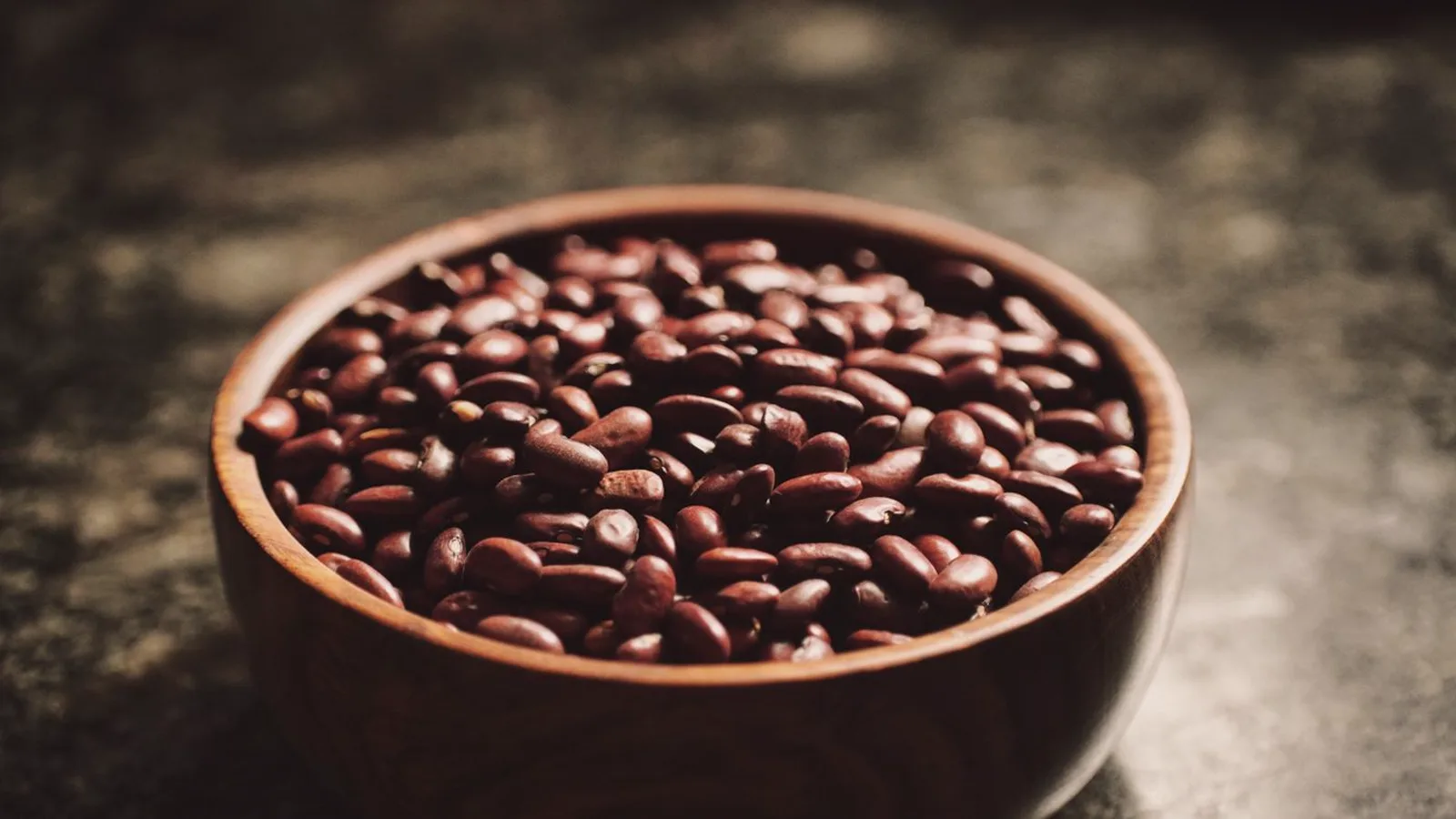
Sixteen people ate a bean dinner. Then they went to bed.
The next morning, eleven to fourteen hours later, researchers gave every one of them the exact same breakfast and measured what their bodies did with it.
The bean dinner was still working.
What does that even mean, still working?
It has a name. Researchers call it the second-meal effect, and it was described back in 1988: a slowly digested food at one meal improves how your body handles the meal that comes after it.
What makes the bean version startling is the gap. Not two hours later. Overnight.
In a randomized crossover trial, 16 healthy adults ate either Swedish brown beans or white wheat bread as an evening meal, then came back for a standardized breakfast the next day (Nilsson et al., PLoS One, 2013).
After the bean dinner, at that next-morning breakfast: blood glucose response down 15%, insulin response down 16%, hunger sensations down 15%. The satiety hormone PYY was up 51%. Ghrelin, the hormone that tells you to go find food, was down 14%.
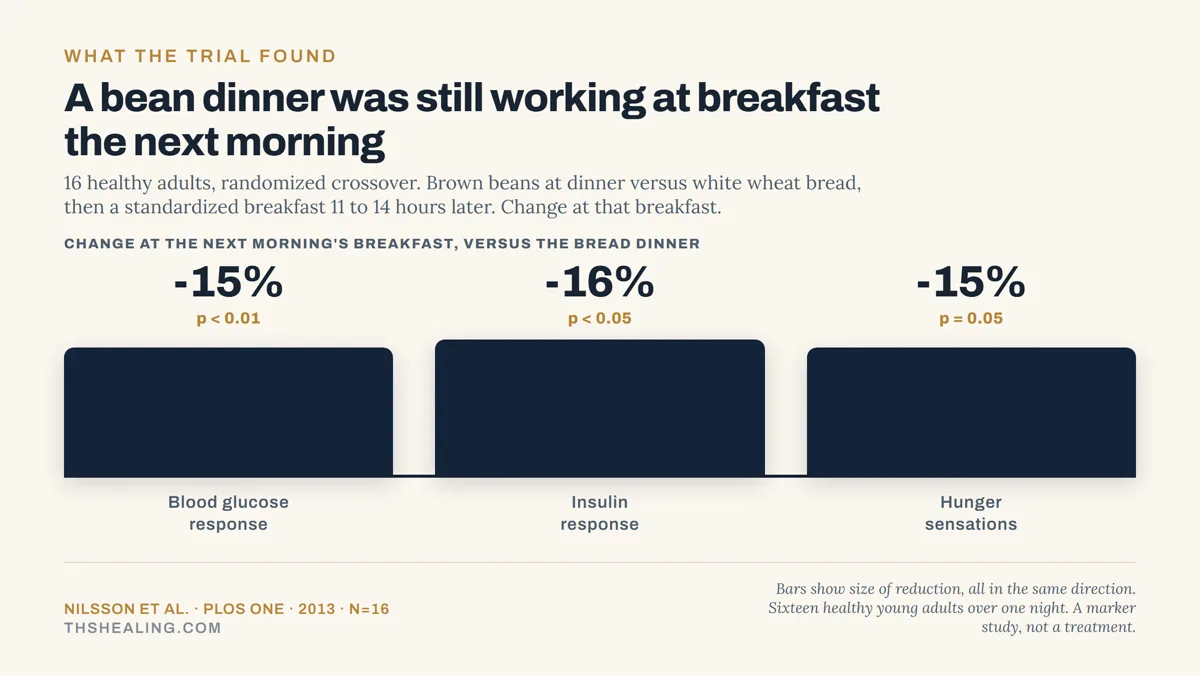
Nobody ate anything different at breakfast. The only variable was what had happened at dinner the night before.
How does a dinner reach the next morning?
This is the part we find genuinely remarkable, and it is not magic.
Some of what is in a bean does not get absorbed in your small intestine. It keeps going, into the colon, where it meets the bacteria that live there. Those bacteria ferment it, and fermentation takes hours.
The same trial measured that directly. Breath hydrogen, a standard marker of colonic fermentation, was up 141% after the bean dinner. Propionate, one of the short-chain fatty acids those bacteria produce, was up 16%.
So the dinner is not sitting in your stomach. It has been handed off. There is a whole second conversation happening downstream while you sleep, and the products of that conversation are in your bloodstream by morning, apparently doing something useful with how you handle breakfast.
The review literature on this effect adds one practical warning worth knowing: the effect is reduced by milling, processing, and cooking at high temperatures (Higgins, Journal of Nutrition and Metabolism, 2012). Whole beans, cooked normally. Not bean flour in a processed snack.
Do beans actually fill you up?
Mostly yes, with one honest asterisk that most articles leave out.
A systematic review pooled nine acute feeding trials and found pulses produced 31% greater satiety than control meals, with essentially no disagreement between the studies (Li et al., Obesity, 2014).
Here is the asterisk. That extra fullness did not show up as eating less at the next meal. The authors state it directly: pulses contribute to acute satiety but not second meal intake.
We are including that because it is the kind of detail that gets quietly dropped. Beans make you feel fuller. Whether that feeling changes what you eat later is not established, and anyone selling beans as an appetite solution is going past the data.
A smaller pilot makes the same point about being careful. Twelve adults with metabolic syndrome ate three matched meals: no added fiber, added fiber, or whole black beans (Reverri et al., Appetite, 2017). The bean meal produced significantly higher CCK and PYY, the gut hormones involved in fullness, and significantly lower insulin than the no-fiber meal. But the added fiber meal suppressed the urge to keep eating more than the beans did, and the no-fiber meal tended to rate as more satisfying.
Whole food beat a fiber supplement on the hormones. It did not beat it on everything. That is what the paper says, so that is what we say.
What about Blue Zones?
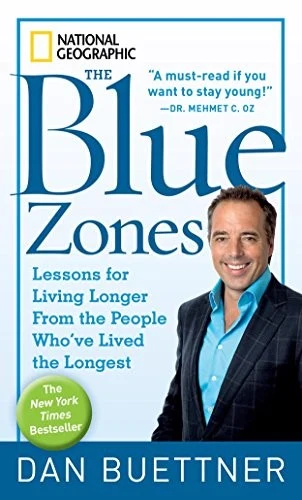
Beans turn up as a near-daily staple in several of the long-lived communities Dan Buettner popularized. It is a real and interesting pattern.
It is also not evidence in the sense the rest of this article uses the word. Nobody randomized anyone. Those communities differ in a hundred other ways: movement, social structure, faith, work, what they do not eat. Pulling one food out of that and calling it the cause is the mistake, and we are not going to make it just because it would help our argument.
We put beans on the table for the measured reasons above. The Blue Zones pattern is a nice thing to notice afterward, not the reason.
If you want the travelogue, it is a genuinely good read on its own terms.
From the Healing Library
Where the longevity-community reporting comes from. Read it as travel writing and food culture, which is what it is, rather than as the evidence for anything on this page.
Where the design shows up
A bean is a seed. It is a complete instruction set for a new plant, packed with starch, protein, fiber and minerals, wrapped so it survives until conditions are right.
What strikes us is that the part your body cannot digest is not waste. It is food for something else that lives in you, and the byproducts of that arrangement show up in your blood the next morning. You were built as a household, not a machine.
“Then God said, ‘Behold, I have given you every plant yielding seed that is on the surface of all the earth, and every tree which has fruit yielding seed; it shall be food for you.’” Genesis 1:29, NASB
The verse carries the conviction. The sixteen people in Lund carry the evidence. Two different jobs, and we keep them separate.
What to do this week
Half a cup of cooked beans, at dinner.
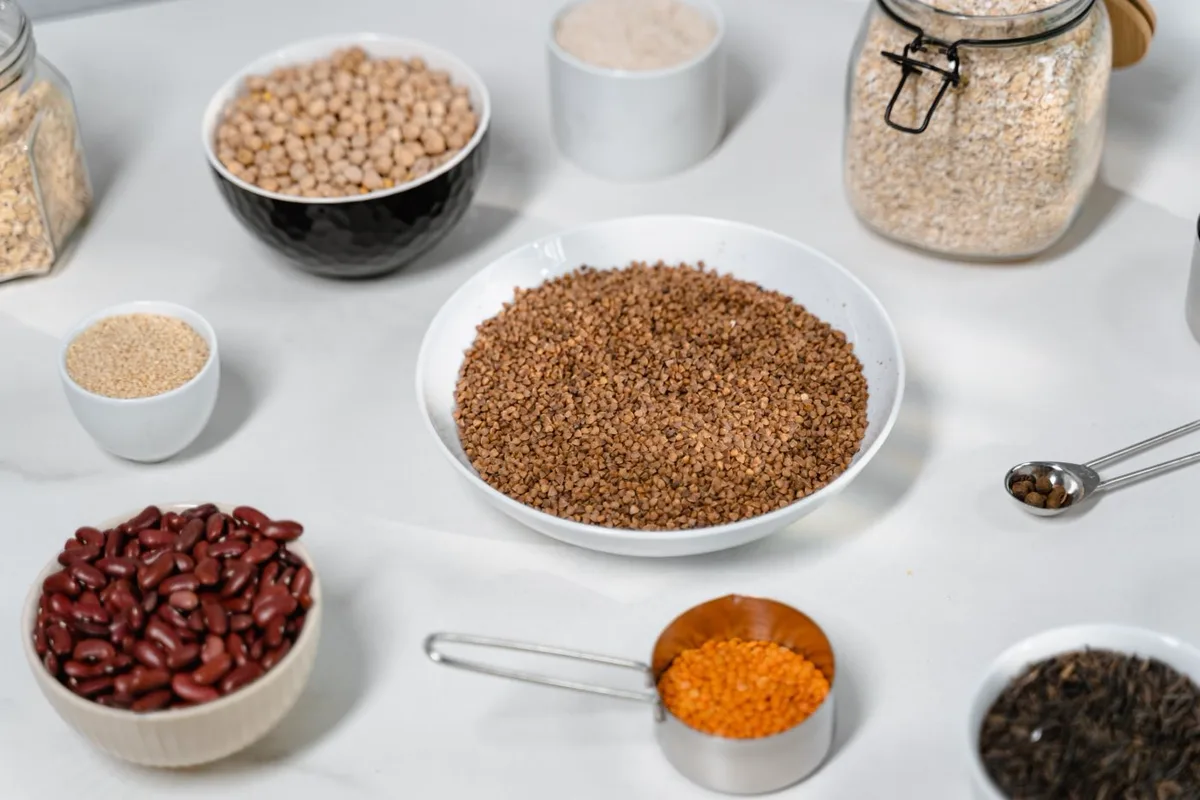
Lentils, black beans, chickpeas, pintos, whatever you will actually eat. Canned is fine, drain and rinse it. Dry is cheaper if you plan ahead.
Put them next to vegetables and a whole grain. Season them like you mean it: onion, garlic, cumin, bay, a splash of olive oil, something acidic at the end.
Then notice breakfast the next day. You may not feel anything, and that is expected. The people in the trial were not reporting sensations, they were having blood drawn. But the mechanism does not require you to feel it to be running.
One caution. If you take medication that lowers blood glucose, a meaningful change in how you eat is a conversation to have with whoever prescribes it, not a thing to spring on your body quietly.
Read this next: the honest answer to the objection everyone has, which is that beans have a reputation: in the bean studies, even the control group reported gas. It is the companion to this piece and it has better news than you expect. The wider food series opens at what most food as medicine advice never mentions, and beans are pillar two of The Five Pillars of Owning Your Health.
Sources
- Nilsson A, Johansson E, Ekström L, Björck I. “Effects of a brown beans evening meal on metabolic risk markers and appetite regulating hormones at a subsequent standardized breakfast: a randomized cross-over study.” PLoS One, 2013;8(4):e59985. https://pubmed.ncbi.nlm.nih.gov/23577078/
- Li SS, Kendall CWC, de Souza RJ, et al. “Dietary pulses, satiety and food intake: a systematic review and meta-analysis of acute feeding trials.” Obesity, 2014;22(8):1773-1780. https://pubmed.ncbi.nlm.nih.gov/24820437/
- Reverri EJ, Randolph JM, Kappagoda CT, Park E, Edirisinghe I, Burton-Freeman BM. “Assessing beans as a source of intrinsic fiber on satiety in men and women with metabolic syndrome.” Appetite, 2017;118:75-81. https://pubmed.ncbi.nlm.nih.gov/28735851/
- Higgins JA. “Whole grains, legumes, and the subsequent meal effect: implications for blood glucose control and the role of fermentation.” Journal of Nutrition and Metabolism, 2012;2012:829238. https://pubmed.ncbi.nlm.nih.gov/22132324/
Article metadata retrieved from PubMed.
Educational content from True Health Solutions. We do not diagnose or prescribe, and nothing here is a substitute for care from someone who knows your history, especially if you take glucose-lowering medication. The body heals. We write about what supports that design.
Questions people ask
- Do beans really affect blood sugar at the next meal?
- In a randomized crossover trial with 16 healthy adults, a brown bean dinner lowered the blood glucose response at a standardized breakfast 11 to 14 hours later by 15% compared with a white bread dinner, and the insulin response by 16%. That is a marker finding in a small healthy sample, not a treatment for any condition.
- What is the second-meal effect?
- Eating a slowly digested food at one meal improves how your body handles the meal after it. Researchers described it in 1988 and it has been studied since. Part of the mechanism appears to be fermentation of indigestible carbohydrate in the colon, which continues long after the plate is cleared.
- Are beans a good source of protein?
- Beans are a strong plant protein source that also brings fiber, potassium, magnesium and iron depending on the variety. Across a day of varied plants, most people meet their amino acid needs without thinking about it.
- Do beans make you feel full?
- A meta-analysis of nine acute feeding trials found pulses produced 31% greater satiety compared with control meals. Notably, that did not translate into eating less at the following meal, which the authors reported plainly.
- What about Blue Zones and longevity?
- Beans appear as a near-daily staple in several long-lived communities. That is pattern observation and food culture, not a randomized longevity trial, and we will not dress it up as one.
